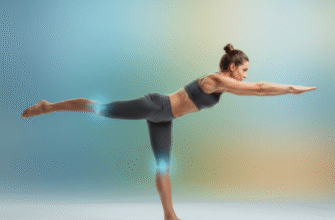
Feeling like you need to move your body, but high-impact workouts just aren’t calling your name? Maybe you’re looking for something that not only strengthens you physically but also brings a sense of calm and poise to your day. If that resonates, it might be time to explore the world of Tai Chi. Often described as “meditation in motion,” Tai Chi is an ancient Chinese practice that combines gentle, flowing movements with deep breathing and mental focus. It’s remarkably accessible, regardless of your current fitness level, making it a wonderful option for almost anyone seeking improved balance and a more mindful connection with their body.
Forget the images of strenuous martial arts kicks and punches you might associate with other disciplines. While Tai Chi does have martial roots, its modern practice, particularly in the West, emphasizes health and relaxation. The movements are performed slowly, deliberately, and continuously, transitioning smoothly from one posture to the next like a gentle dance. This slowness is key; it allows you to become deeply aware of your body’s position, how you shift your weight, and the coordination required for each transition. It’s exercise, yes, but it feels more like guiding your body through water than pushing against resistance.
Unpacking the Graceful Flow
So, what actually happens in a Tai Chi session? Practitioners follow a series of specific, named movements known collectively as a “form.” Popular forms include the Yang style 24-movement short form, often a starting point for beginners, or longer, more complex traditional forms. Each movement has a purpose and a specific way it should be executed, focusing on principles like maintaining an upright posture, relaxing the joints, and coordinating breath with action. Think names like “Wave Hands Like Clouds,” “Parting the Wild Horse’s Mane,” or “Grasping the Sparrow’s Tail” – the poetic names hint at the fluid, nature-inspired quality of the movements.
The emphasis is always on quality over quantity or speed. It’s about finding the internal connection, feeling the subtle shifts in balance as you move from one foot to the other, maintaining a centered and grounded presence. Your knees are typically slightly bent, your spine elongated, and your shoulders relaxed. Breathing is deep and diaphragmatic, syncing naturally with the expansion and contraction of the movements. This mindful attention transforms the physical practice into a moving meditation, calming the chatter of the mind and bringing you fully into the present moment.
Why Focus on Balance?
One of the most celebrated benefits of regular Tai Chi practice is its remarkable effect on balance. How does it achieve this? The slow, controlled weight shifts are fundamental. As you move through the form, you are constantly transferring your weight from one leg to the other, sometimes standing on one leg for brief periods. This directly challenges and strengthens the muscles responsible for stability – not just in the legs and ankles, but deep within the core.
Furthermore, Tai Chi enhances proprioception. This is your body’s innate sense of its position in space, mediated by receptors in your muscles and joints. The slow, deliberate nature of Tai Chi forces you to pay close attention to where your limbs are, how your joints are aligned, and how your weight is distributed. This heightened awareness trains your neuromuscular system to react more quickly and effectively to subtle shifts, improving your ability to prevent stumbles or falls in everyday life. You learn to feel your connection to the ground, rooting yourself with each step.
Remember to approach Tai Chi gently, especially when starting. Always listen to your body’s signals. If any movement causes sharp pain or discomfort, ease back or modify it. It’s highly recommended to learn from a qualified instructor who can ensure you’re practicing safely and effectively.
More Than Just Physical Stability
While improved physical balance is a significant draw, the benefits extend further. The gentle stretching inherent in the movements can gradually enhance flexibility, particularly in the hips, spine, and shoulders. Unlike static stretching, Tai Chi involves dynamic stretches where movement helps to warm and lengthen the muscles and connective tissues, promoting a greater range of motion over time without force.
The coordination aspect is also crucial. Linking the movements together smoothly requires concentration and practice, enhancing the connection between mind and body. You learn to coordinate your upper and lower body, your breath, and your intention, leading to greater overall physical dexterity and grace. Many people find this coordination translates into feeling more capable and confident in other physical activities too.
And let’s not forget the mental calm. The focused breathing and mindful attention required during practice act as a powerful antidote to stress. By concentrating on the flow of movement and breath, practitioners often report leaving a session feeling refreshed, centered, and mentally clearer. It’s a gentle way to step away from daily worries and cultivate a sense of inner peace.
Getting Started with Tai Chi
Finding a class is often the best way to begin. Look for instructors in community centers, senior centers, parks (especially in the mornings!), or dedicated martial arts or wellness studios. Observe a class if possible to see if the instructor’s style resonates with you. Don’t worry about having special gear; loose, comfortable clothing that allows you to move freely and flat-soled shoes (or even bare feet, depending on the venue) are all you need.
Be patient with yourself. Learning the sequence of movements takes time and repetition. Focus on understanding the basic principles – relaxation, slow speed, correct posture, weight shifting – rather than perfecting every detail immediately. The journey of learning Tai Chi is as much a part of the practice as performing a flawless form. Embrace the process, enjoy the feeling of gentle movement, and notice the subtle improvements in your balance and sense of well-being along the way. It’s an investment in your physical stability and your mental tranquility, one slow, graceful step at a time.
Whether you are young or old, athletic or just beginning an exercise routine, Tai Chi offers a unique blend of physical conditioning and mental relaxation. Its emphasis on gentle movement and balance makes it a sustainable practice you can enjoy for years to come, fostering a deeper connection with your own body and a greater sense of stability in your life.