We often talk about being stuck. Stuck in traffic, stuck in a job, stuck in a way of thinking, stuck in a body that feels stiff and unresponsive. This feeling of immobility, whether mental or physical, can be incredibly frustrating. It drains energy and limits potential. But what if there was a way to cultivate the opposite? What if we could actively nurture adaptability, fluidity, and resilience? This isn’t about becoming superhumanly bendy or instantly agreeable to every opposing viewpoint. It’s about cultivating flexibility, both in our minds and in our bodies, starting right now.
Think about the difference between a brittle twig and a young sapling in the wind. The twig, rigid and dry, snaps under pressure. The sapling, supple and yielding, bends and sways, returning upright once the gust passes. This is a powerful metaphor for how we can navigate life’s challenges. Rigidity, whether in our posture or our perspectives, makes us vulnerable. Flexibility allows us to absorb shocks, adapt to changing circumstances, and bounce back more readily.
Why Bother with Flexibility?
The benefits ripple outwards into almost every area of life. Mentally, flexibility unlocks creativity. When we aren’t locked into a single way of seeing things, we can generate novel solutions to problems, understand different perspectives more easily, and navigate disagreements with greater ease. A flexible mind is less prone to getting bogged down by stress; it can shift focus, reframe situations, and let go of unhelpful thought patterns more effectively. It’s the difference between hitting a mental brick wall and finding a detour.
Physically, the advantages are just as compelling. Improved flexibility contributes to better posture, reducing the aches and pains that often come from prolonged sitting or repetitive movements. It increases range of motion, making everyday activities like reaching for something on a high shelf, tying your shoes, or playing with children feel easier and less strenuous. Furthermore, flexible muscles are generally less susceptible to strains and injuries, whether you’re engaging in athletic pursuits or simply navigating your daily routine. It fosters a sense of ease and freedom within your own skin.
Tuning the Mind: Becoming More Adaptable
Cultivating mental flexibility isn’t about abandoning your principles or beliefs. It’s about loosening the grip of rigid thinking patterns that no longer serve you. It’s about becoming more curious and less certain, more open and less defensive.
Challenge Your Own Assumptions
We all operate on a set of assumptions about the world and ourselves. Sometimes, these assumptions become invisible walls. Actively question why you believe certain things. Ask yourself: Is this absolutely true? Could there be another way to look at this? Play devil’s advocate with your own thoughts sometimes. This practice gently pries open the doors of perception.
Embrace Novelty
Our brains thrive on new experiences, but we often gravitate towards the familiar comfort zone. Make small changes to inject novelty into your routine.
- Take a different route to work or the grocery store.
- Try a type of food you’ve never eaten before.
- Listen to a music genre you usually ignore.
- Read a book or article on a topic completely outside your usual interests.
- Learn a new skill, even something small like a card trick or a basic phrase in another language.
Practice Mindful Awareness
Often, we react automatically based on ingrained mental habits. Mindfulness involves paying attention to your thoughts, feelings, and sensations in the present moment without judgment. By simply observing your thoughts (“Ah, there’s that critical thought again”), you create space between yourself and the thought. This space allows you to choose your response rather than being swept away by automatic reactions. It’s a fundamental step towards mental agility.
Reframe Challenges
When faced with a setback, how do you typically react? A rigid mindset might see failure as final. A flexible mindset looks for the lesson, the opportunity, or the alternative path. Practice reframing difficulties. Instead of thinking “This is a disaster,” try asking “What can I learn from this?” or “What’s one small step I can take right now?” This shift in perspective is a powerful tool for resilience.
Tuning the Body: Encouraging Physical Suppleness
Just as mental rigidity can be unlearned, physical stiffness is often not inevitable. Cultivating physical flexibility is about encouraging your body to move more freely and comfortably through its natural range of motion. It requires consistency and kindness, not aggressive force.
Move More, Move Varied
Our bodies are designed for movement, but modern life often involves long periods of stillness in limited postures (hello, desk chairs and sofas). Incorporate more movement throughout your day. This doesn’t necessarily mean intense workouts. Simple things count:
- Stand up and walk around every hour.
- Take the stairs instead of the elevator.
- Do gentle neck rolls or shoulder shrugs while waiting for the kettle to boil.
- Dance to your favorite song.
Gentle Stretching: Consistency Over Intensity
Stretching is perhaps the most direct way to improve flexibility. The key is gentle consistency. Focus on major muscle groups that tend to get tight, like the hamstrings (back of thighs), hip flexors (front of hips), shoulders, and chest. Hold stretches gently, breathing into them, aiming for a feeling of mild tension, never pain. A few minutes of stretching daily or several times a week is far more effective than one long, intense session done sporadically.
Dynamic vs. Static Stretching
Understanding the difference can be helpful. Dynamic stretches involve moving parts of your body through their range of motion, often mimicking the activity you’re about to do (e.g., leg swings, arm circles). They are great for warming up before exercise. Static stretches involve holding a stretch in a still position for a period (typically 15-30 seconds). These are often best done after activity when muscles are warm, or as a separate flexibility-focused session.
Always listen to your body’s signals during any physical activity. Stretching should create a feeling of gentle pull, never sharp pain. Pushing too hard can lead to injury, undermining your efforts. Remember that consistency over intensity yields the best long-term results for improved flexibility and well-being. Gradual progress is sustainable progress.
Explore Mindful Movement
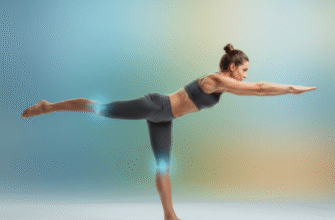
Practices like Yoga, Tai Chi, and Qigong explicitly integrate mindful awareness with physical movement and breathwork. They are excellent for developing both physical flexibility and body awareness, helping you understand how your body feels and moves. Even a mindful walk, paying attention to the sensation of your feet on the ground and the movement of your limbs, can be a form of flexibility practice.
The Interplay: Where Mind Meets Body
The connection between mental and physical flexibility is profound and bidirectional. Have you ever noticed how your shoulders tense up when you’re stressed or anxious? That’s mental rigidity manifesting physically. Conversely, when your body feels stiff and restricted, it can contribute to feelings of mental sluggishness or irritability. Freeing up one often helps free up the other.
Engaging in physical practices that promote flexibility, like stretching or yoga, can have a calming effect on the mind. Focusing on the breath and physical sensations helps anchor you in the present moment, reducing mental chatter. Similarly, cultivating mental flexibility—being more open to change, less reactive to stress—can help release chronic muscle tension held in the body. When you learn to mentally “let go” of worries, your body often physically lets go of tension too.
Weaving Flexibility into Your Daily Fabric
The goal isn’t to add overwhelming new routines but to weave practices of flexibility into the life you already have. Start small. Choose one mental flexibility technique (like challenging one assumption per day) and one physical flexibility practice (like stretching for five minutes before bed) to focus on this week.
- Take micro-stretch breaks during your workday.
- Consciously choose curiosity over judgment in one conversation.
- Try side-bending while waiting in line.
- Listen fully to someone else’s perspective without planning your rebuttal.
- Reach your arms overhead when you first wake up.
Cultivating flexibility is a journey, not a destination. There will be days when you feel mentally stuck or physically stiff, and that’s okay. The practice is about gently, consistently encouraging more openness, more adaptability, more resilience in both your mind and your body. By nurturing this quality now, you equip yourself to navigate the inevitable winds of change with greater ease, strength, and grace.